
The cultural and historical ties between Sri Lanka and the United Kingdom go back more than 200 years. When the British ruled the island—then known as Ceylon—they introduced new systems of governance, transportation, agriculture, and architecture.
Although Sri Lanka gained independence in 1948, many aspects of British influence remain deeply embedded in the island’s culture and daily life. From tea plantations to railway networks and colonial buildings, the British legacy is still visible across the country today.
One of the most significant British contributions to Sri Lanka was the creation of the tea industry.
In the 19th century, British planters transformed the central highlands into vast tea plantations. Today, Ceylon Tea is recognized worldwide and remains one of Sri Lanka’s largest exports.
Many of the most famous tea-growing regions—including Nuwara Eliya, Kandy, and Ella—were developed during the colonial period.
For British readers, this connection is particularly interesting because Ceylon tea became a staple of traditional British afternoon tea culture.
Today, visitors can tour historic tea estates, visit tea factories, and enjoy breathtaking views of rolling green plantations in Sri Lanka’s hill country.
British colonial architecture remains one of the most visible legacies across Sri Lanka.
Historic buildings with Victorian and Georgian influences can still be found in cities such as Colombo and Galle.
Many government buildings, hotels, and railway stations date back to the British era. Grand structures featuring high ceilings, large verandas, and elegant columns reflect European design adapted to tropical climates.
The hill town of Nuwara Eliya is particularly famous for its colonial charm. Often called “Little England,” the town still features Tudor-style houses, golf courses, and gardens reminiscent of the British countryside.
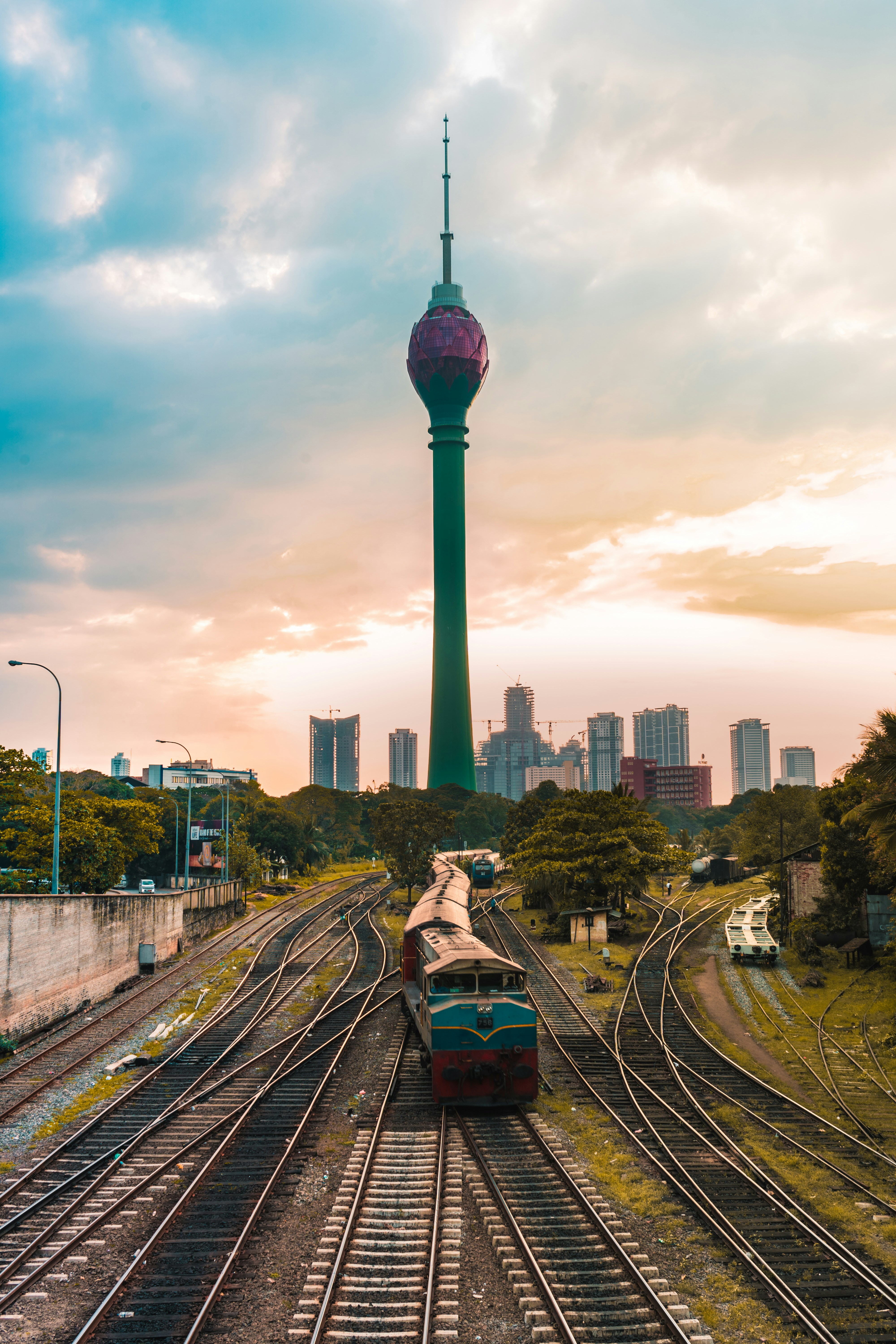
Sri Lanka’s scenic railway system is another enduring legacy of British rule.
The railway network was originally constructed to transport tea from plantations in the central highlands to ports for export.
Today, routes connecting Kandy, Ella, and Badulla are considered among the most beautiful train journeys in the world.
Travelers from the UK often visit Sri Lanka specifically to experience the iconic train ride through misty mountains, lush forests, and endless tea estates.
Another major British influence in Sri Lanka is the widespread use of English.
During colonial rule, the British established modern schools and administrative systems that introduced English as a key language for education and governance.
Today, English remains widely spoken and is commonly used in business, tourism, and higher education. This linguistic connection also makes Sri Lanka an accessible destination for travelers from the UK.
British rule also introduced several sports that remain extremely popular in Sri Lanka today.
One of the most prominent is Cricket, which was brought to the island during the colonial era. Over time, Sri Lanka developed into a global cricket powerhouse and even won the Cricket World Cup.
Other sports such as rugby, golf, and horse racing were also introduced during British rule and continue to be played today.
Many aspects of Sri Lanka’s modern legal and political systems also stem from British governance.
Parliamentary democracy, civil administration, and certain legal frameworks introduced during the colonial period helped shape the structure of modern Sri Lankan government.
Even after independence, these systems continued to influence how the country operates today.
The relationship between Sri Lanka and the United Kingdom goes far beyond history. Cultural ties, tourism, trade, and education continue to connect the two nations.
For travelers from the UK, Sri Lanka offers a unique blend of familiar heritage and exotic tropical beauty—making it one of the most fascinating destinations in South Asia.
From colonial buildings and tea estates to scenic railways and shared traditions, the British legacy remains an important chapter in Sri Lanka’s story.